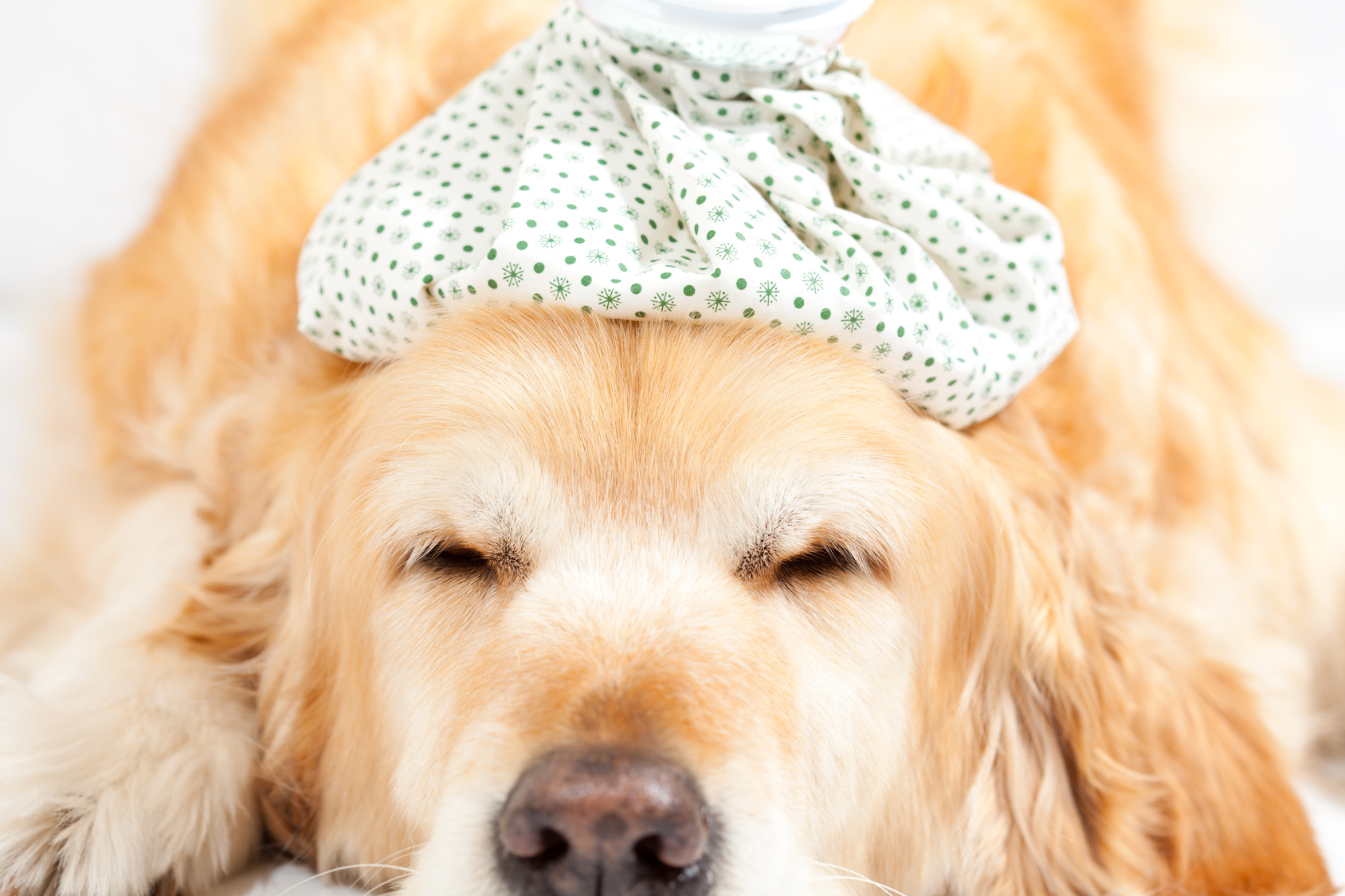
If you own a puppy or adult dog that was purchased from the local pet store, and he is coughing on a regular basis, then there is a solid possibility that your new dog has brought home “kennel cough”.
With kennel cough, a dog will typically have intense periods of nonstop coughing and even end these sessions with vomiting. Although this spasm of coughing looks like a terrible experience to your dog, kennel cough does not affect his energy levels and he may still seem very alert and upbeat after having a full blown cough attack.
Kennel cough is highly contagious
If your dog is indeed displaying the above signs of coughing problems then you need to accept the possibility that he has kennel cough. The technical term for this disease is called “infectious tracheobronchitis” and is very contagious. It is a respiratory condition that is most common in dogs that have spent time in pet stores where they are enclosed with other dogs and animals. Kennel cough is a combination of several bacteria, viruses, and mycoplasma.
The most common symptom of kennel cough is when your dog gives out a dry and rough sounding tracheal cough. Your dog may gag and choke frequently in the attempt to clear his air passageway.
Kennel cough in dogs is very similar to the common cold that humans get, with the symptoms lasting anywhere from five to ten days. The cough may pass after that time but then return to afflict your dog, much like the common cold comes back to infect our bodies.
Steps you can take to help your dog
Like any health concern, the first thing you should do is take your dog to the veterinarian. The vet will be able to properly examine your pet and find out exactly how bad the symptoms are, as well as advise you on a few possible remedies.
The vet may administer cough suppressants and possibly antibiotics depending on how bad the cough is. Some dogs have a deeper health issue due to kennel cough which can be the formation of pneumonia. Pneumonia is caused because bacteria has infiltrated the dog’s air sacs.
You may also want to look into preventative measures such as intranasal vaccines. This is a great way to help prepare your dog to avoid infection of kennel cough if he ever has to be placed in a kennel at any point in his lifetime. These types of vaccines have been shown to offer stronger immunity than injectable types because they help stimulate both the upper and lower airways with strong immunity.