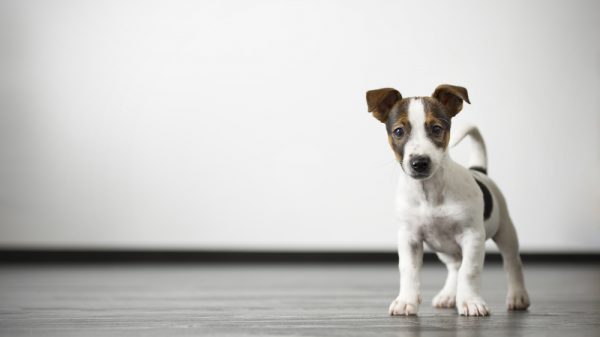










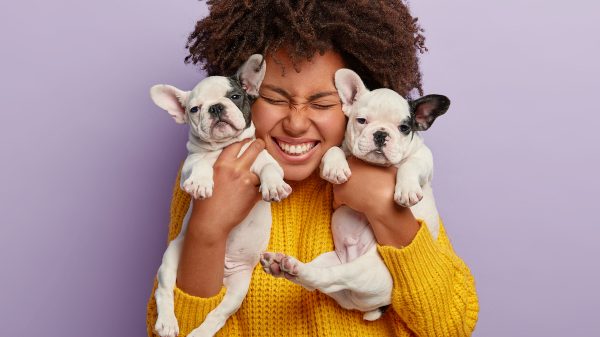
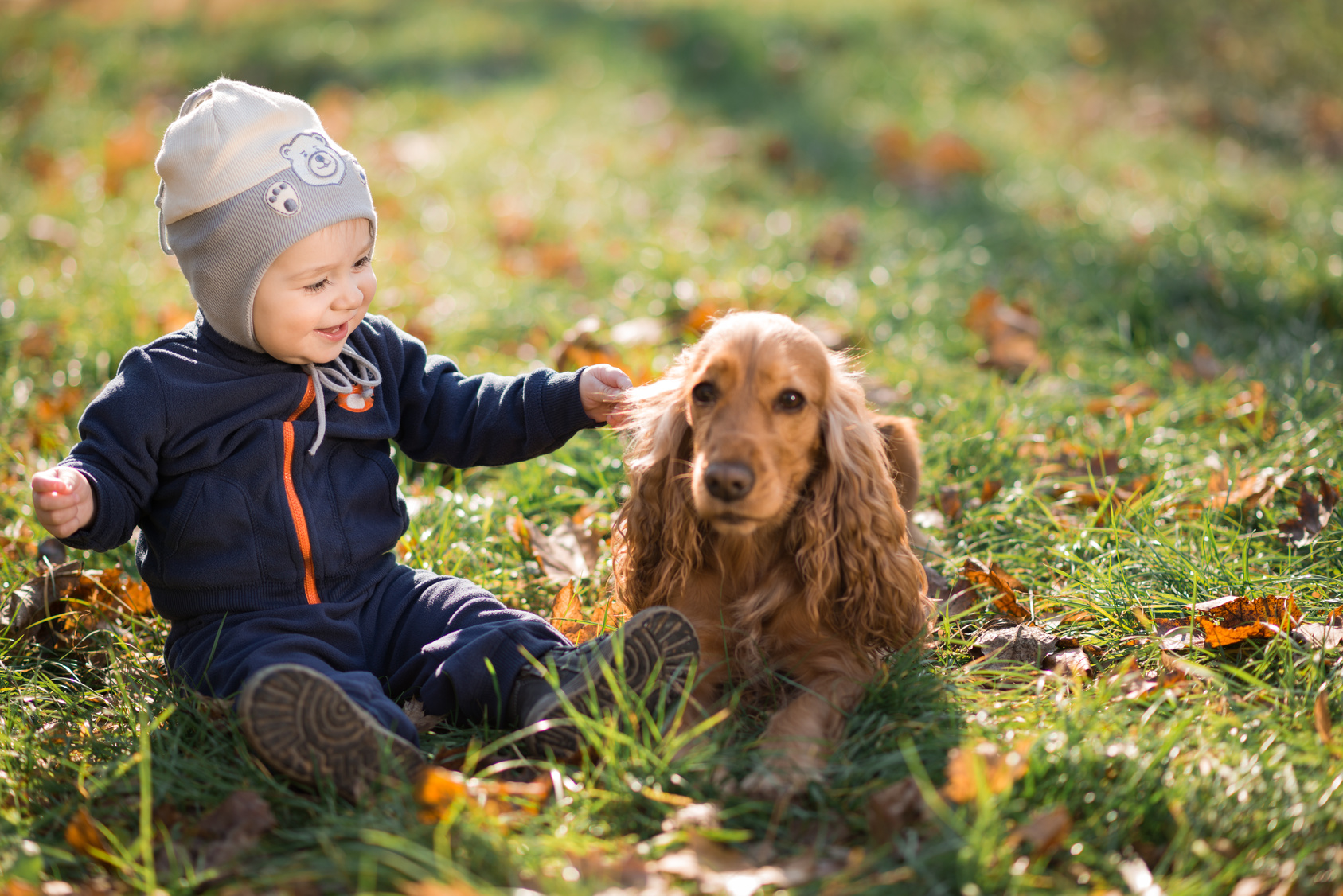
Nothing is more adorable than seeing a small child and a loving puppy playing happily together. What’s even better to know, is that psychological studies have proven that people who are fortunate enough to grow up with a dog in the family household tend to have happier childhoods.
Kids who grow up with a family dog learn respect for other creatures as well as caring for them. These kids learn empathy, sympathy, handling responsibilities. They also develop self-confidence and self-esteem by knowing they are contributing to taking care of a living creature.
You Must Help
These benefits and learning experiences between children and their pets do not occur automatically. It takes a responsible and patient adult to properly introduce the child to the new puppy and teach him/her how to properly interact with this new member of the family.
At the same time, the puppy needs to learn to respect and obey the child the same way as he respects and obeys the other members of the household. This way, every member of the family can have a loving and healthy relationship.
The manner in which you approach your puppy and the experiences that you give him from his very first minute in the house will create a lasting impact throughout his entire life. From the first introduction, your child should learn the proper way to treat the puppy. Your child should realize that the puppy is a baby, and in many ways should be treated like one.
Avoiding Injuries To The Puppy & Your Child
Children around the age of 7 years and younger have the tendency to get excited when faced with new situations and experiences. This excitement may not be ideal when it comes to meeting a new puppy, or a dog of any age for that matter.
Exciting behaviors such as making loud noises, chasing after the puppy, pulling at him, and other aggressive behaviors will result in the puppy getting scared.
In this situation, the puppy will more likely run away instead of letting the child pet him. A very young puppy will try to find his mom and hide under her, while a puppy around 12 weeks old will perceive these behaviors as either a threat or an aggressive play and will most likely react by nipping or jumping up.
The proper way of introducing your new pet to your child is through restraint and guidance. Your child should realize that the puppy is a baby and that your child should be gentle when handling him. To better teach your young ones how to be gentle, use a stuffed animal and teach her how to pet it properly. Practice this with your child for a few days before the puppy arrives home.